WAProf. Walter ArtibaniUrology specialist
Functional urologyRobotic surgeryReconstructive uro-oncology

Prof.WalterArtibani

One of the leading experts in robotic surgery for oncological and functional urology and in urinary incontinence. Former Full Professor of Urology at the Universities of Modena, Padua and Verona.

EAUEuropean Association of UrologyICSInternational Continence SocietySIUItalian Society of UrologySIUDItalian Society of UrodynamicsFICItalian Continence FoundationEBUEuropean Board of UrologyERUSEAU Robotic Urology SectionAUAAmerican Urological AssociationSIUSociété Internationale d'Urologie
365+

papers in international peer-reviewed journals

48

h-index, a measure of the impact of his publications

1987

the year he devised the Padovana Ileal Bladder

9

scientific societies that made him an honorary member

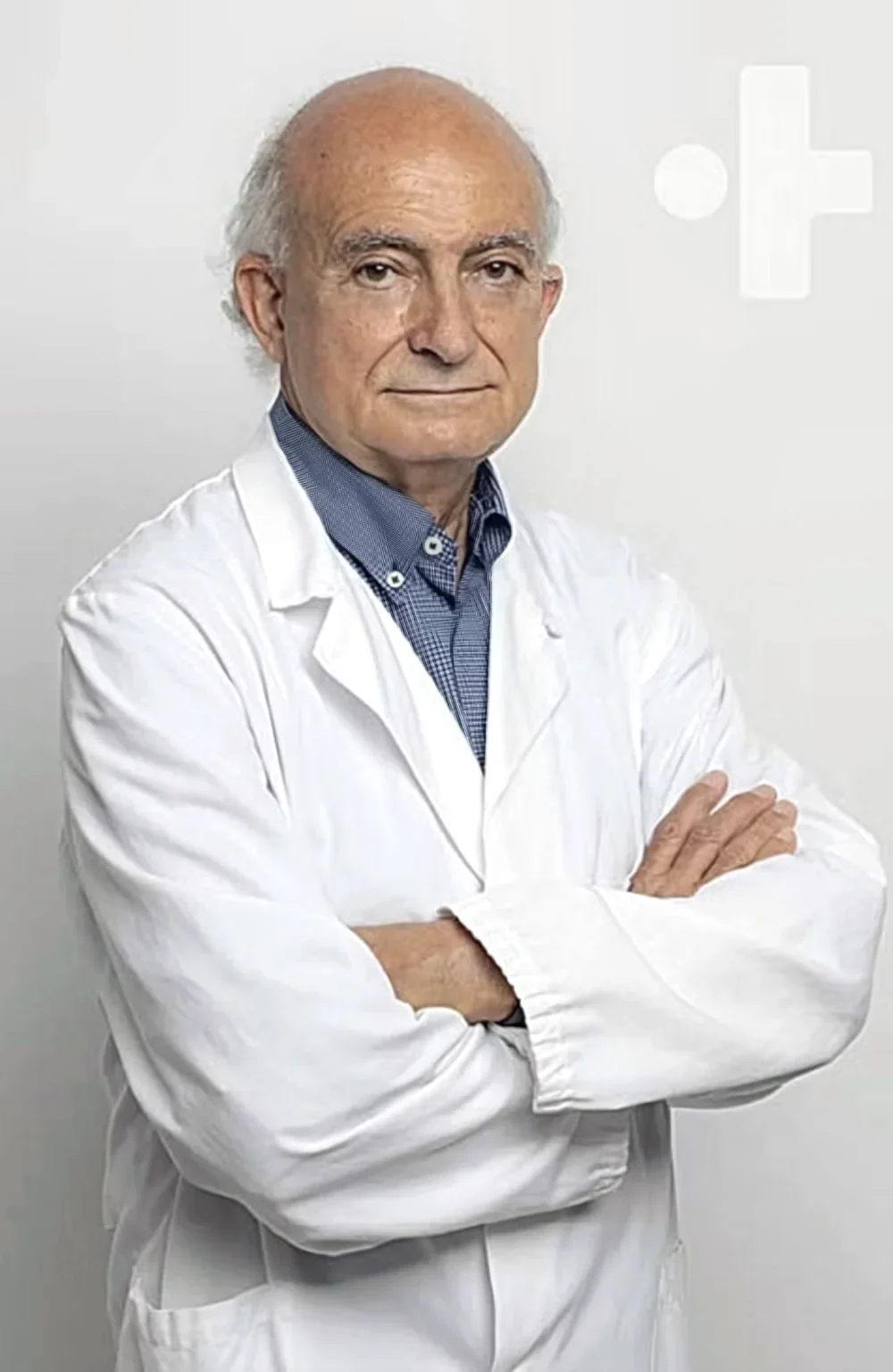
Portrait of Prof. Walter Artibani in a white coat
Prof. Walter ArtibaniUrologist · Verona · Treviso · Padua
Profile

A life devoted to urology

“As a surgeon, I always use the latest technology to give my patients the best possible care.”

I am a urology specialist, currently in private practice. I have been Full Professor of Urology and head of urology departments and residency programmes at the Universities of Modena, Padua and Verona.

Professor Artibani has always focused on the latest developments and technologies, as shown by his commitment to robot-assisted laparoscopy. He has published more than 365 papers in international peer-reviewed journals (h-index 48) and has taken part in numerous international and Italian clinical research studies.

His surgical experience covers every area of urology: open, endoscopic and robot-assisted laparoscopic surgery, with full training in paediatric urology as well. He is now developing a programme of preventive and predictive medicine for men.

Clinical area

Functional urology

Male and female urinary incontinence, pelvic floor disorders, bladder outlet obstruction.

Surgical area

Reconstructive surgery

Open or robot-assisted laparoscopic uro-oncology, urinary diversion and pelvic floor surgery.

  • President 2016 · Secretary General 2017–2021Italian Society of Urology
  • Adjunct Secretary General for Science, 2007–2015European Association of Urology
  • President, 2002–2004European Board of Urology
  • Secretary General, 2003–2007International Continence Society
  • Co-founder · now Honorary PresidentItalian Continence Foundation
  • President, 1989–1994Italian Society of Urodynamics
Career

From Florence to the Veneto, half a century of urology

Training in Padua, chairs in Modena, Verona and Padua, more than thirty years of surgical experience, and today his work in Negrar and Treviso.

1973
Florence

Degree in Medicine and Surgery

In November 1973, with top marks and honours.

1977
Padua

Specialisation in Urology

At the Institute of Urology of the University of Padua, with top marks and honours. He becomes a hospital and then university assistant.

1985
Padua

Associate Professor

Appointed associate professor by public competition, first in Surgical Nephrology and then in Urology.

1987
Padua

The Padovana Ileal Bladder is born

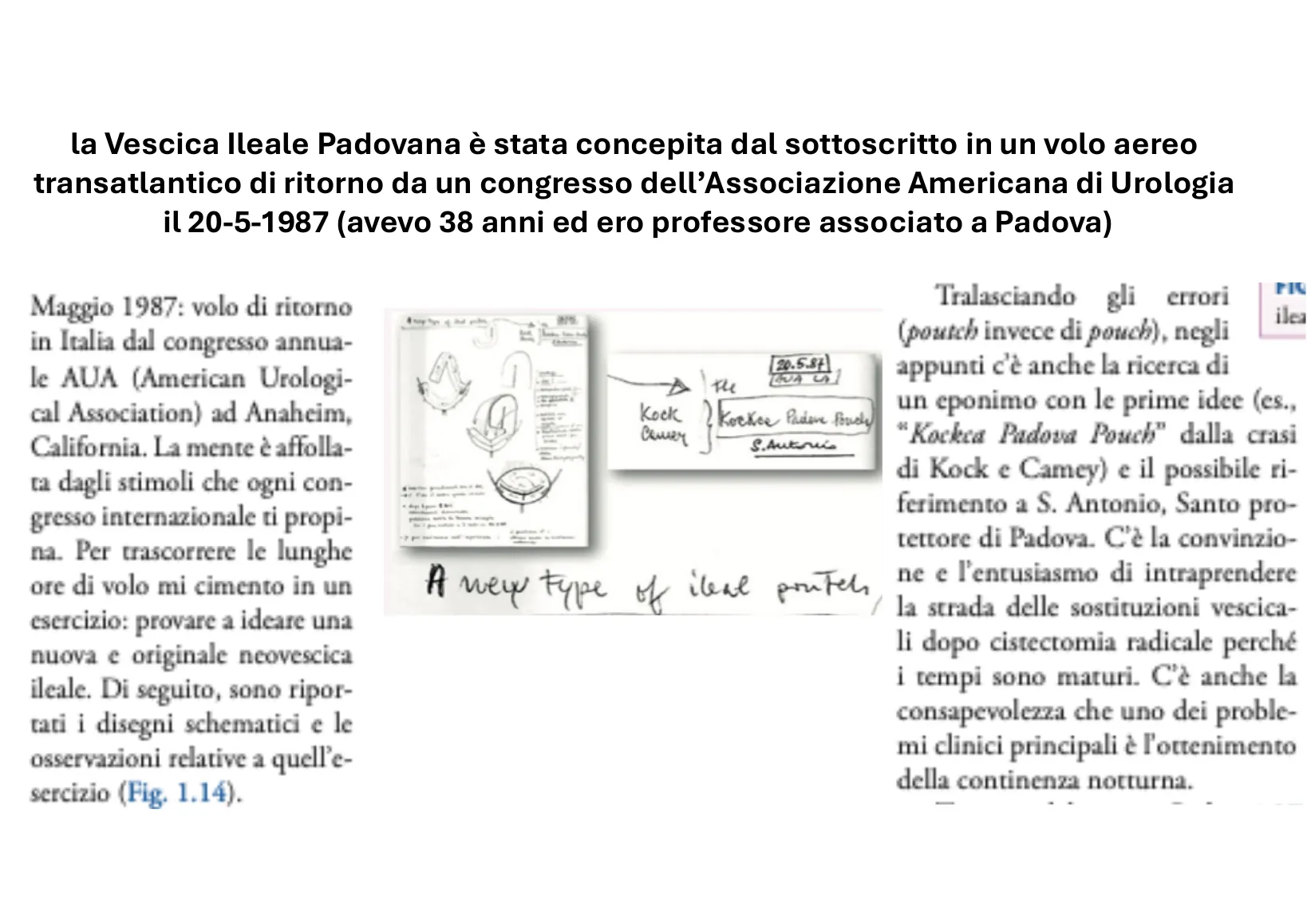
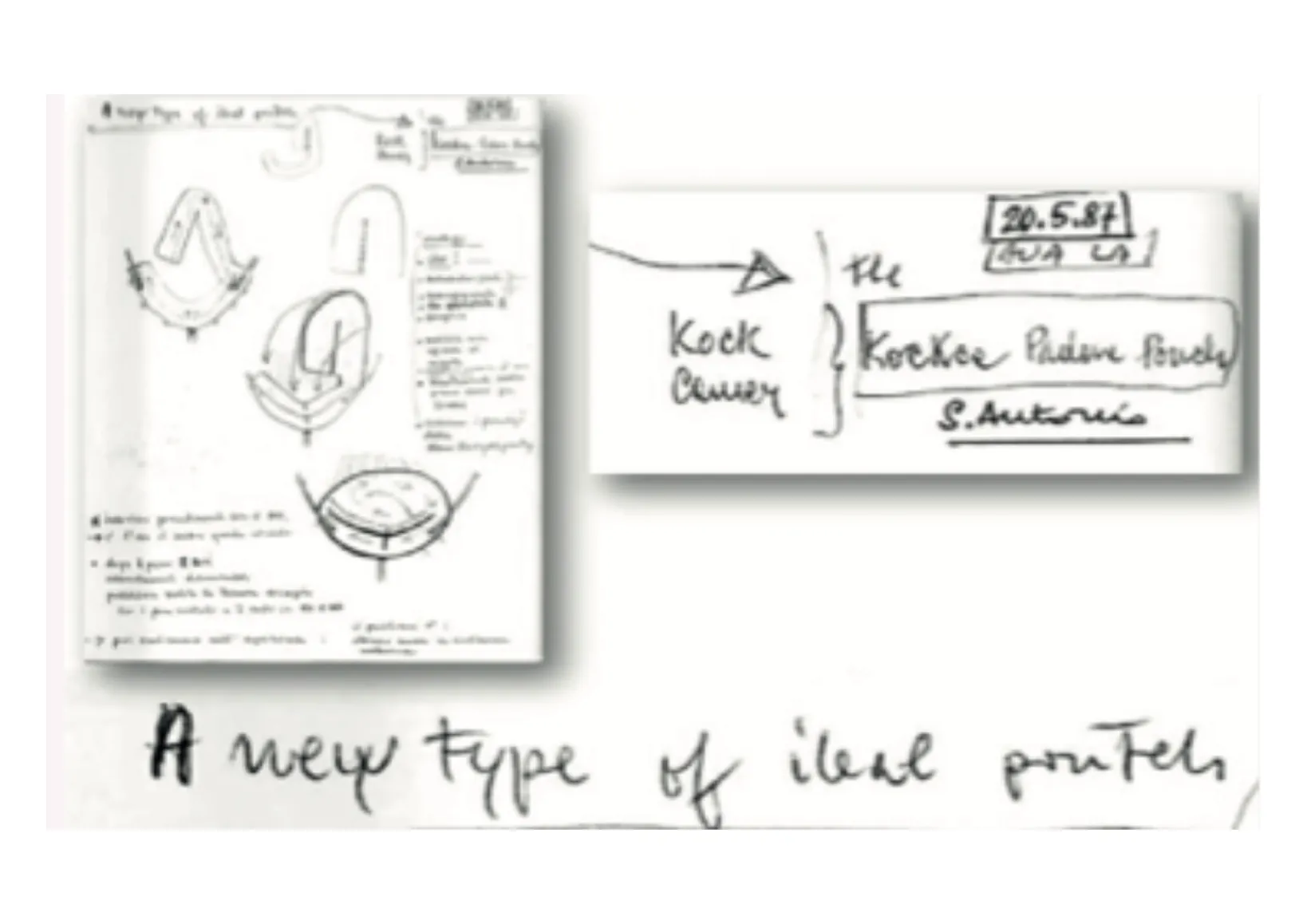
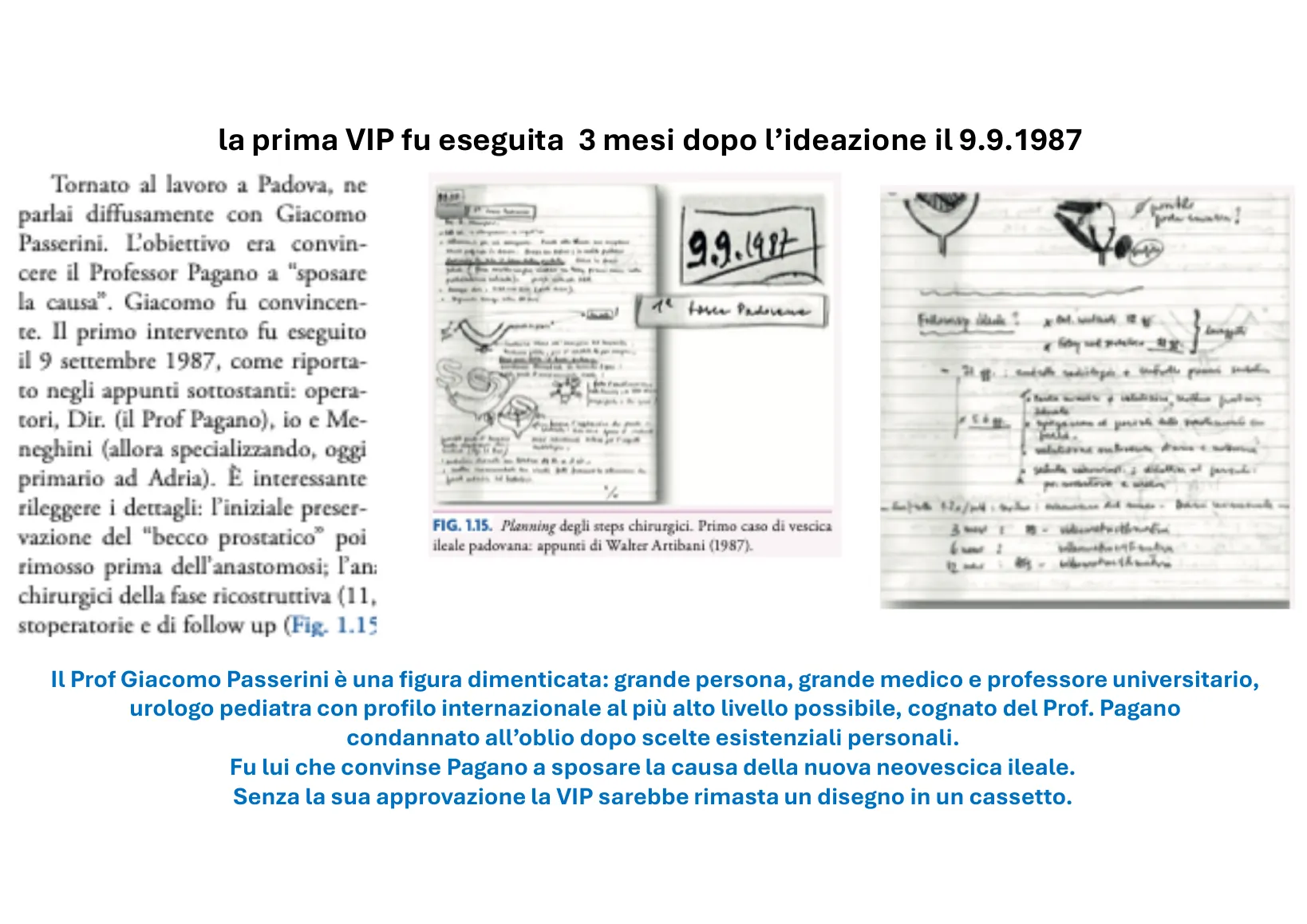
Conceived on 20 May 1987, at the age of 38, on the flight home from an American Urological Association meeting. The first operation took place on 9 September.

1994
Modena

Chair of Urology

Professor from 1994 and Full Professor from 1997: he heads the Urology unit of the University Hospital and the residency programme. He starts and coordinates the local kidney transplant programme.

2000
Verona

G.B. Rossi University Hospital

He heads the urology clinic and the urology residency programme of the University of Verona until 2004.

2005
Padua

Head of Urology in Padua, start of robotic surgery

He heads the urology clinic of Padua University Hospital. In April 2005 he launches a robotic urological surgery programme, now routine.

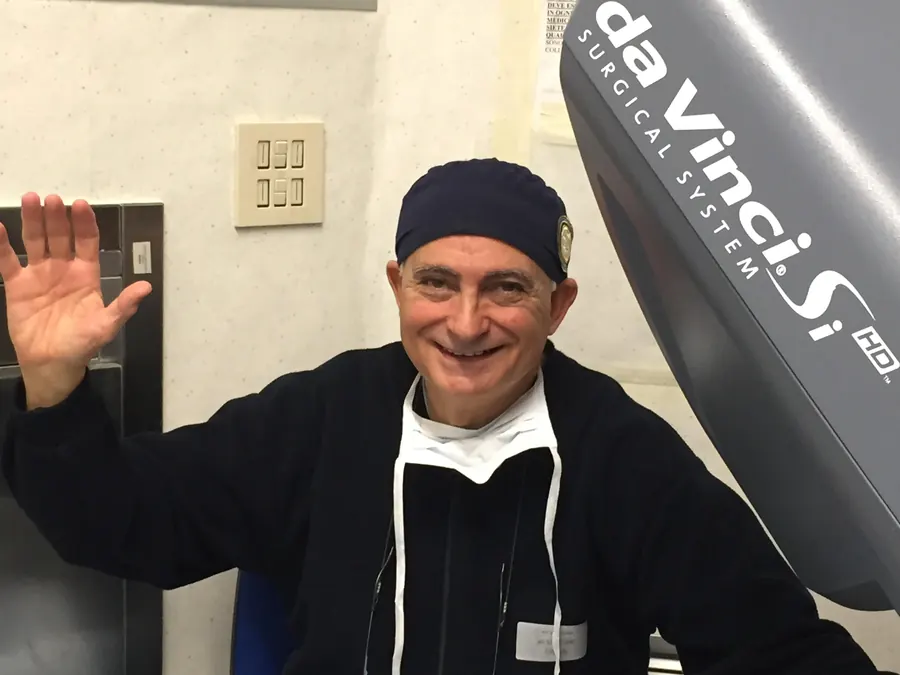
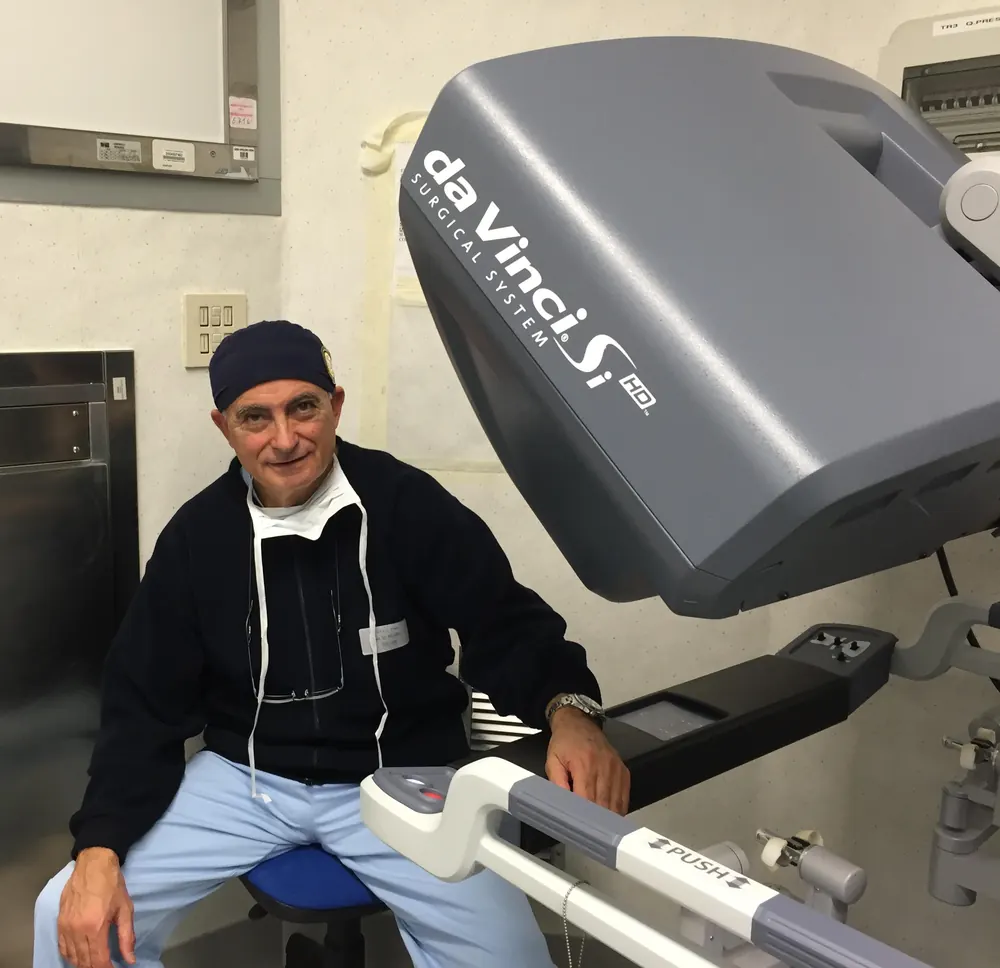
Prof. Artibani at the da Vinci robot console
2009
Verona

Back in Verona

He heads Urology at the Borgo Roma University Hospital and the residency programme; from 2011 to 2018 he is head of the Department of Urology at the Polo Chirurgico Confortini.

2016
EAU · Munich

Willy Gregoir Medal and SIU presidency

The highest award granted each year by the European Association of Urology. In the same year he is President of the Italian Society of Urology.

2019
ERUS19 · Lisbon

John Wickham Lifetime Achievement Award

For his contribution to robotic surgery. From 2019 to 2024 he works in private practice at the Policlinico di Abano and other centres.

2022
Abano Terme

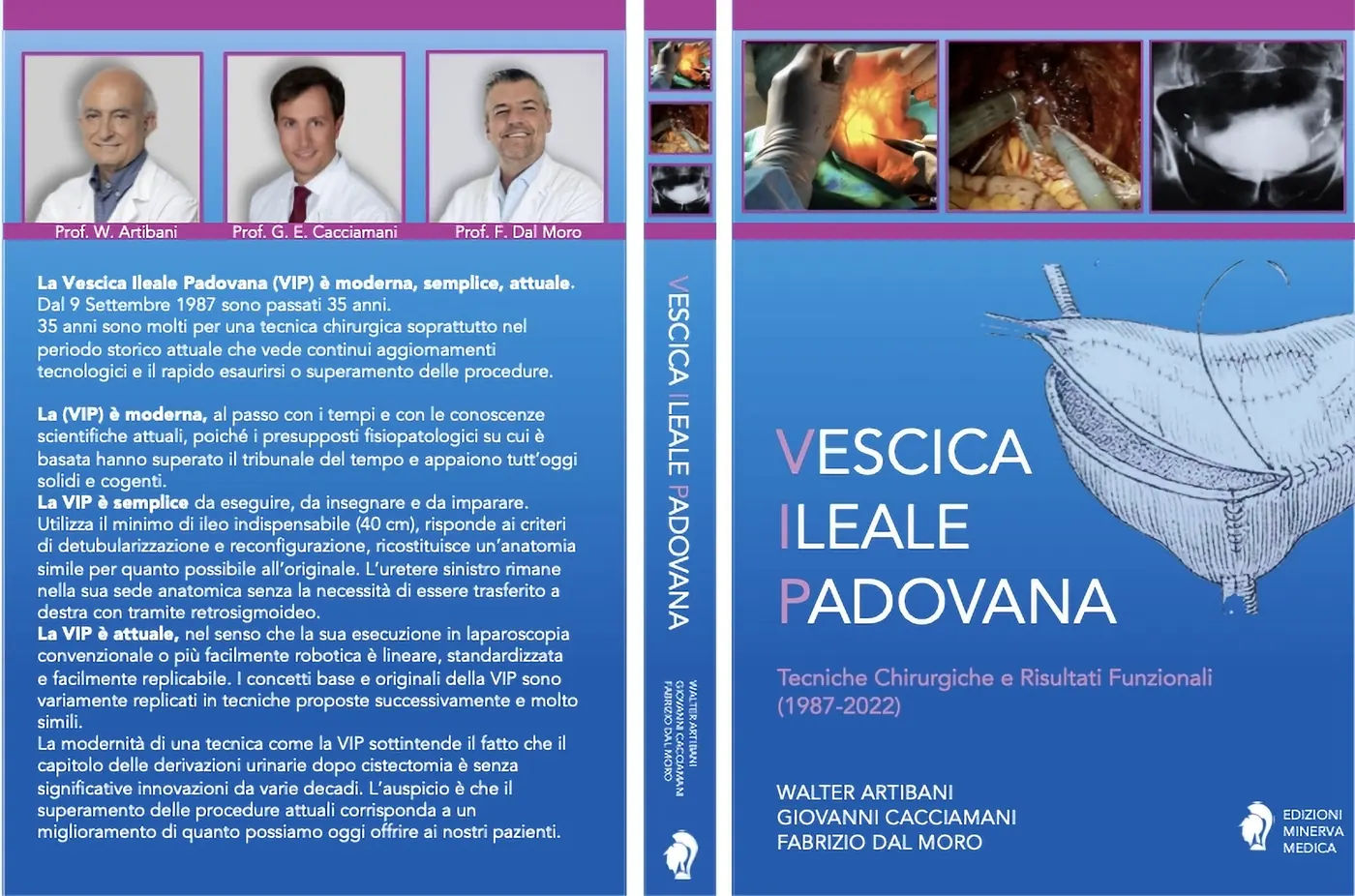
The book “La Vescica Ileale Padovana”

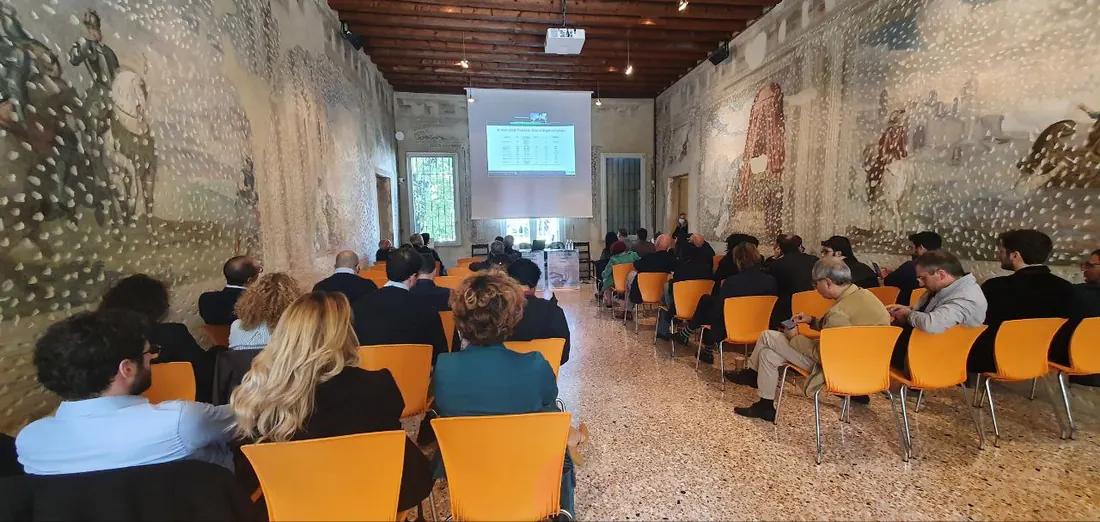
Preview presentation at Villa Bassi, 35 years after the first operation.

Book presentation at Villa Bassi, Abano Terme
2024
Negrar · Treviso

Consultant surgeon in Negrar

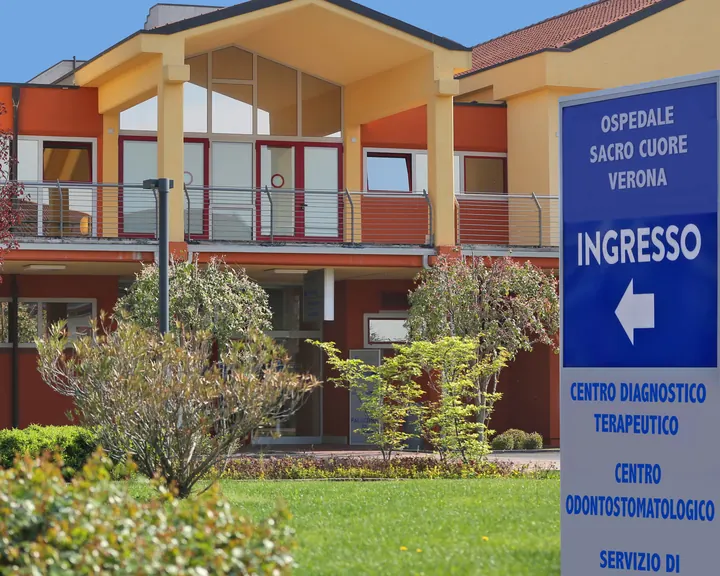
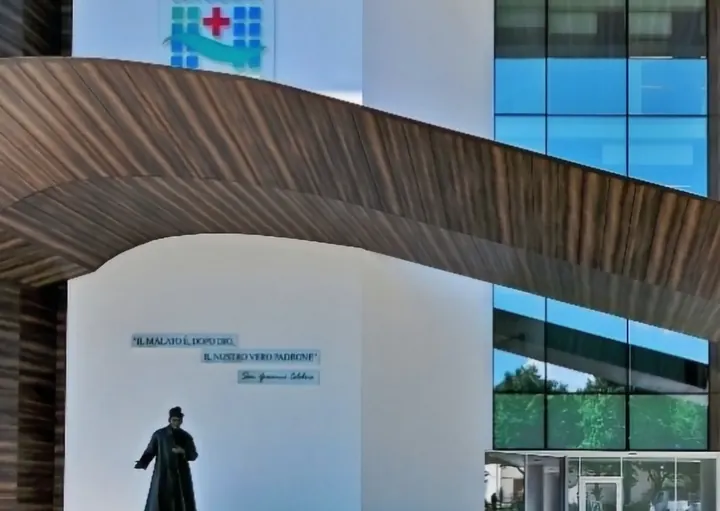
Since May 2024 at the Sacro Cuore Don Calabria Hospital; he also operates at the San Camillo Hospital in Treviso and sees patients in Verona, Treviso and Padua.

Surgery

Bladder cancer: innovative treatments

He played a part in bringing robotic urology into routine practice and worked in the group that wrote the guidelines for live surgery broadcast at scientific meetings.

  • Robot-assisted laparoscopy for oncological and functional urology.
  • Reconstructive surgery open or robotic, including urinary diversion.
  • Incontinence and pelvic floor in men and women, and bladder outlet obstruction.
A technique born in Padua

The Padovana Ileal Bladder

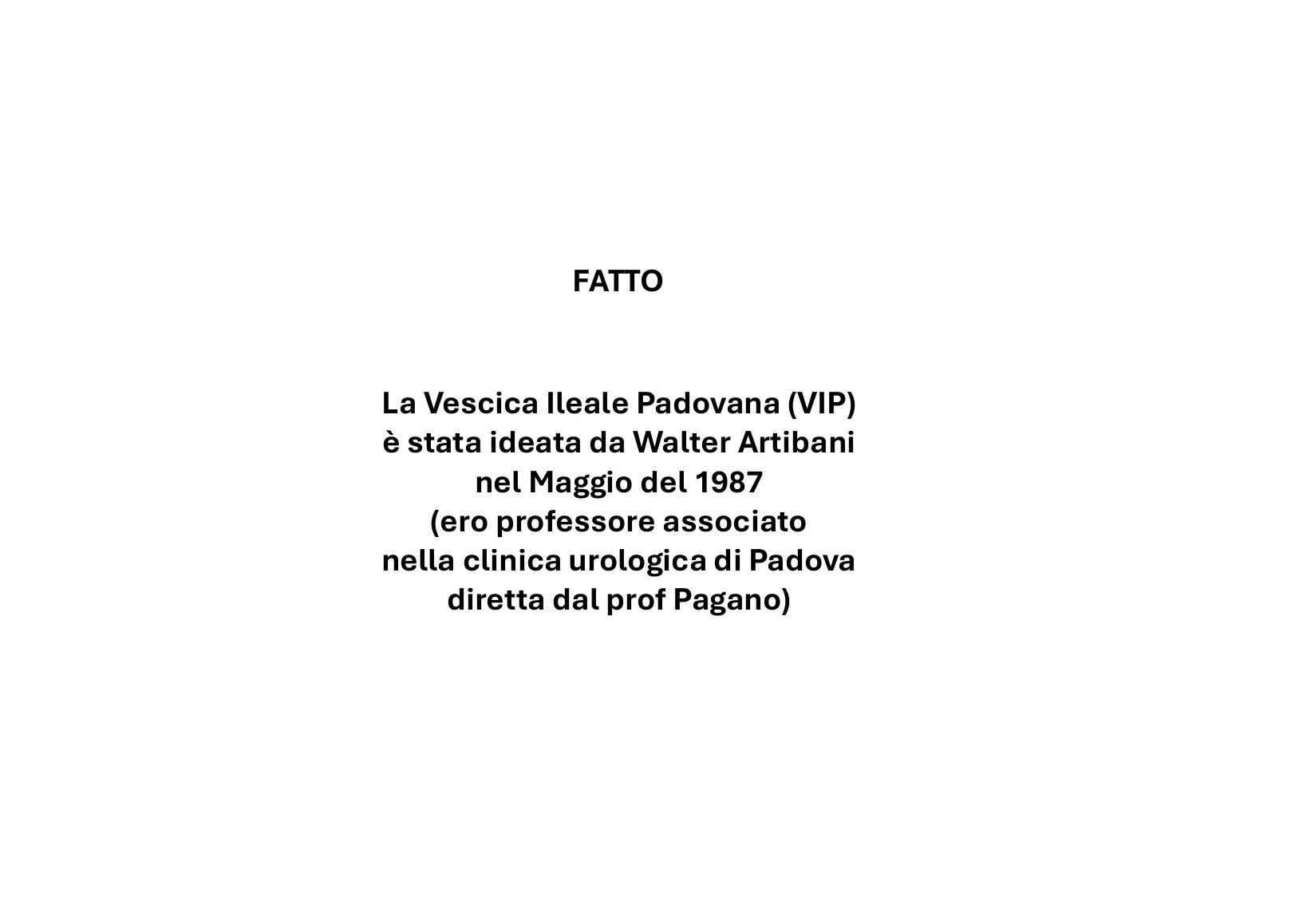
The Padovana Ileal Bladder (Vescica Ileale Padovana, VIP) was devised by Walter Artibani in May 1987, when he was associate professor at the Padua urology clinic headed by Prof. Pagano. The idea came to him on 20 May, on a transatlantic flight home from an American Urological Association meeting.

After removal of the bladder for cancer, a new bladder is built from a segment of the small intestine. Since then he has performed hundreds of operations; an interactive atlas of the VIP was published in 1999 and a book in 2022. Thirty-five years after the first operation, the technique is still modern, resting on sound physiological principles.

20·V·1987the idea, at the age of 38
9·IX·1987first operation performed
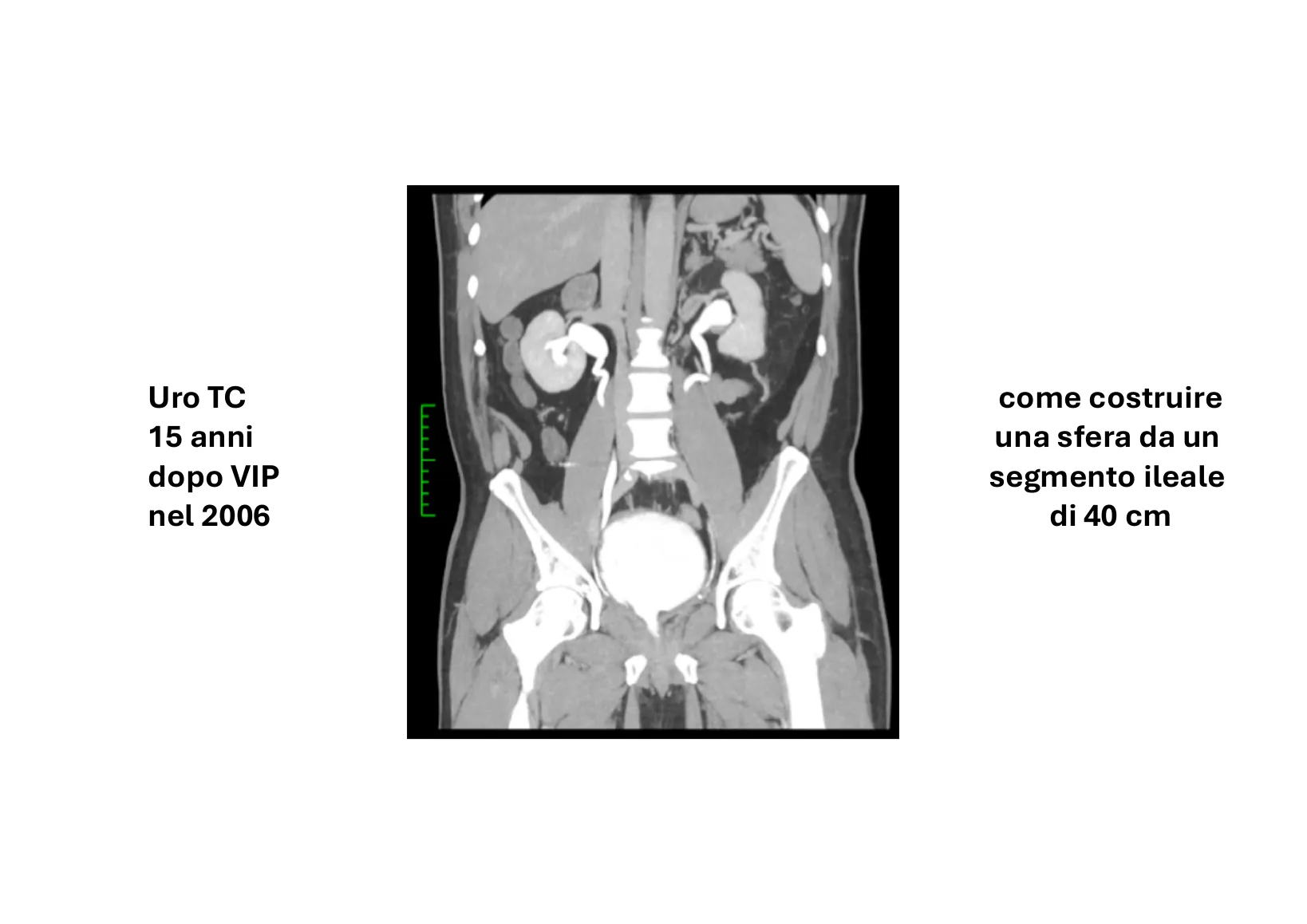
40 cmof ileum used for the new bladder
8Oct 2022
The hall at Villa Bassi during the book presentation

“La Vescica Ileale Padovana”

Preview presentation of the book at Villa Bassi, Abano Terme. Thanks to everyone who attended and to the authors who contributed.

Front and back cover of the book La Vescica Ileale Padovana by Artibani, Cacciamani and Dal Moro
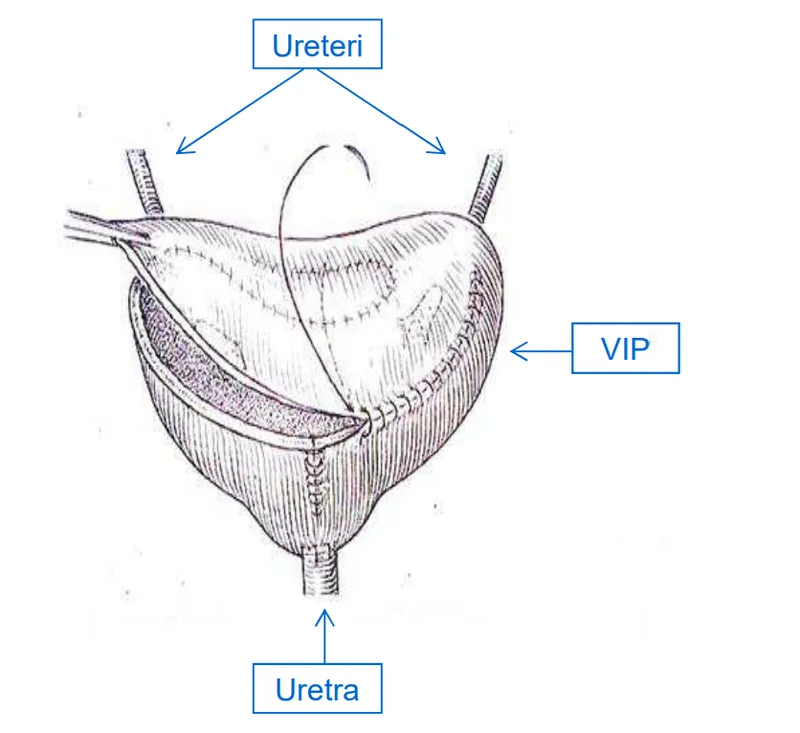
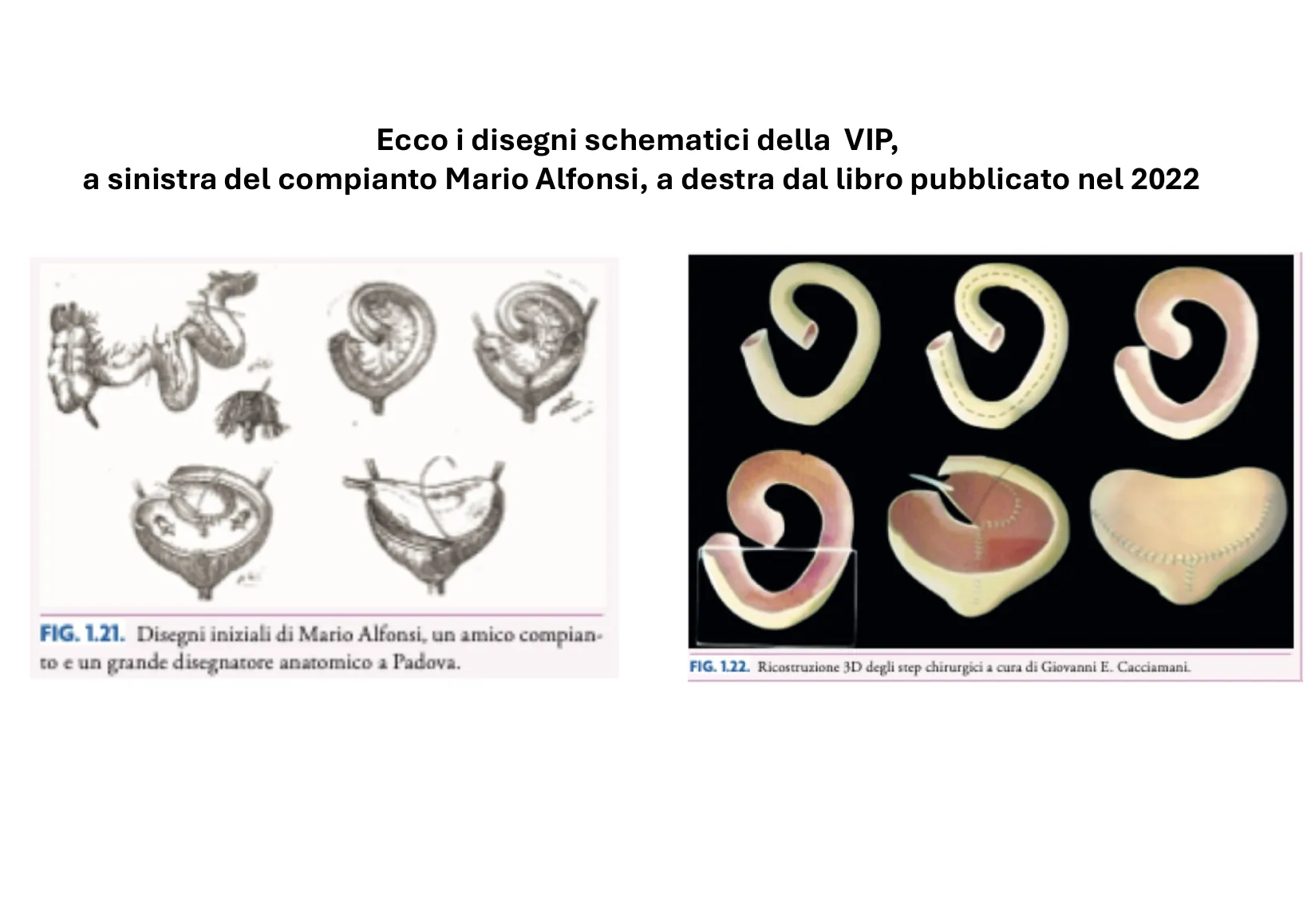
Diagram of the VIP: ureters, ileal reservoir, urethra
Browse the document

The true story of the Padovana Ileal Bladder

The document is in Italian.

Open the PDF
Page 1: Cover: the true story of the Padovana Ileal Bladder
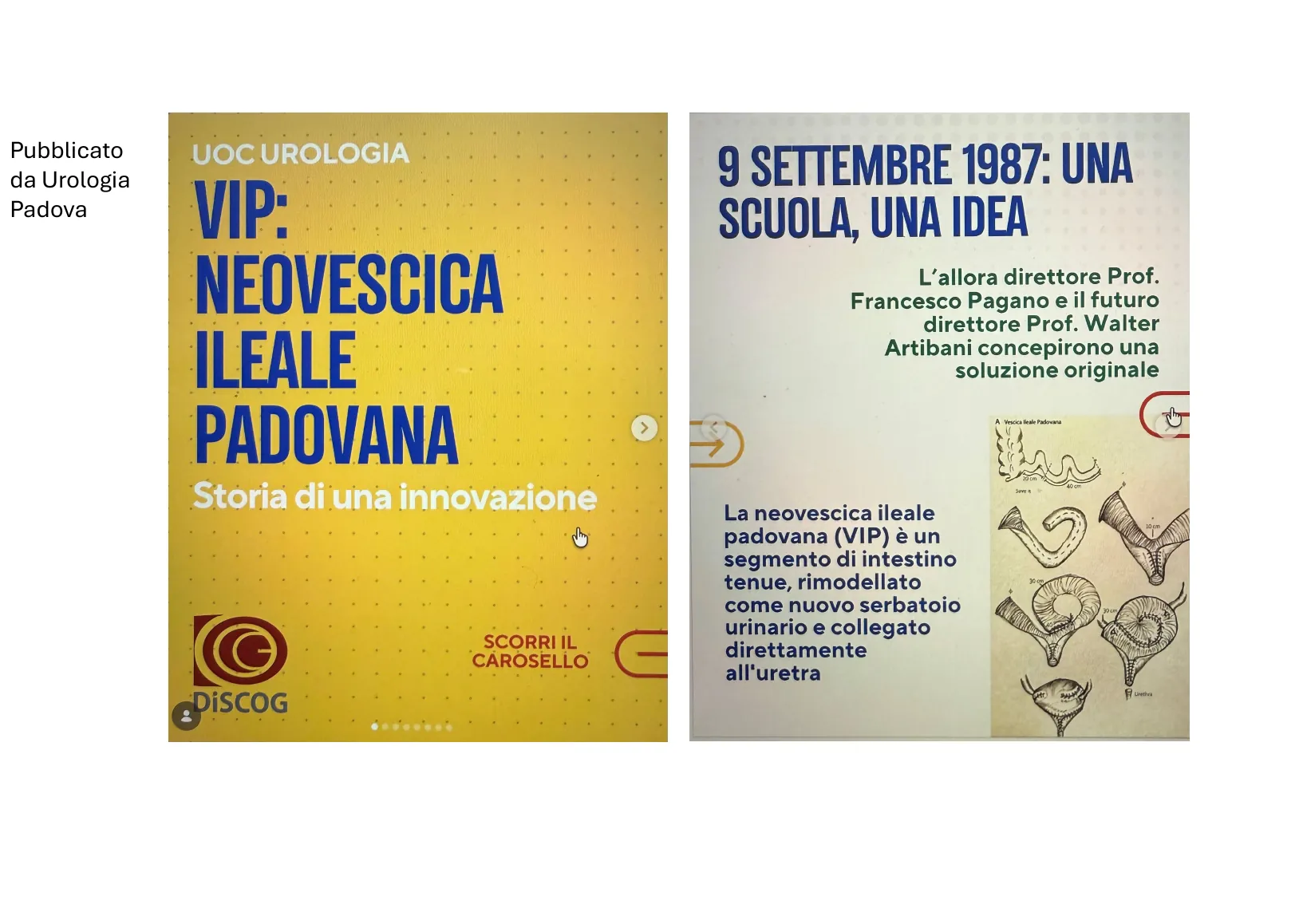
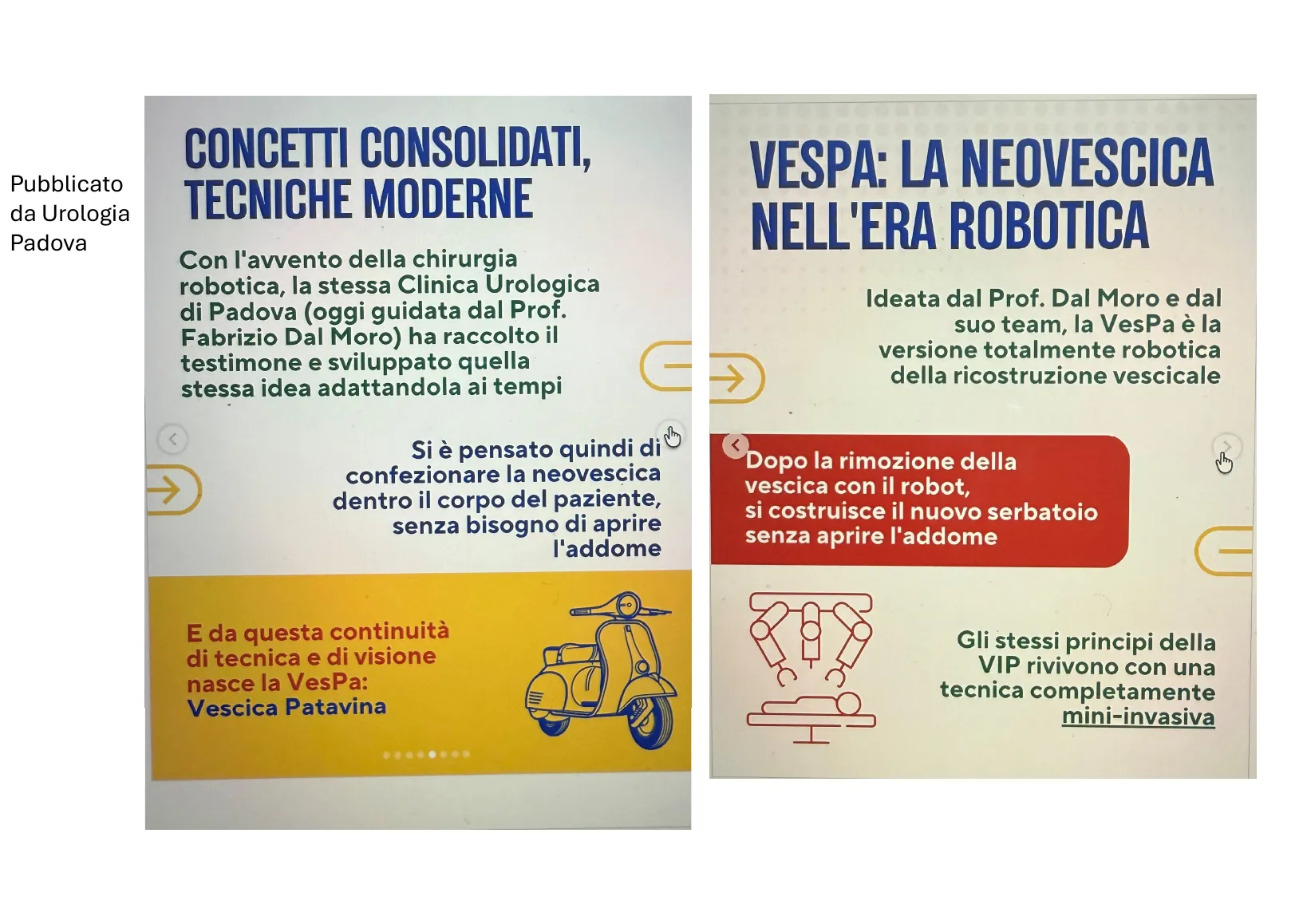
Page 2: The post published by Urologia Padova
Page 3: The fact: the VIP was devised in May 1987
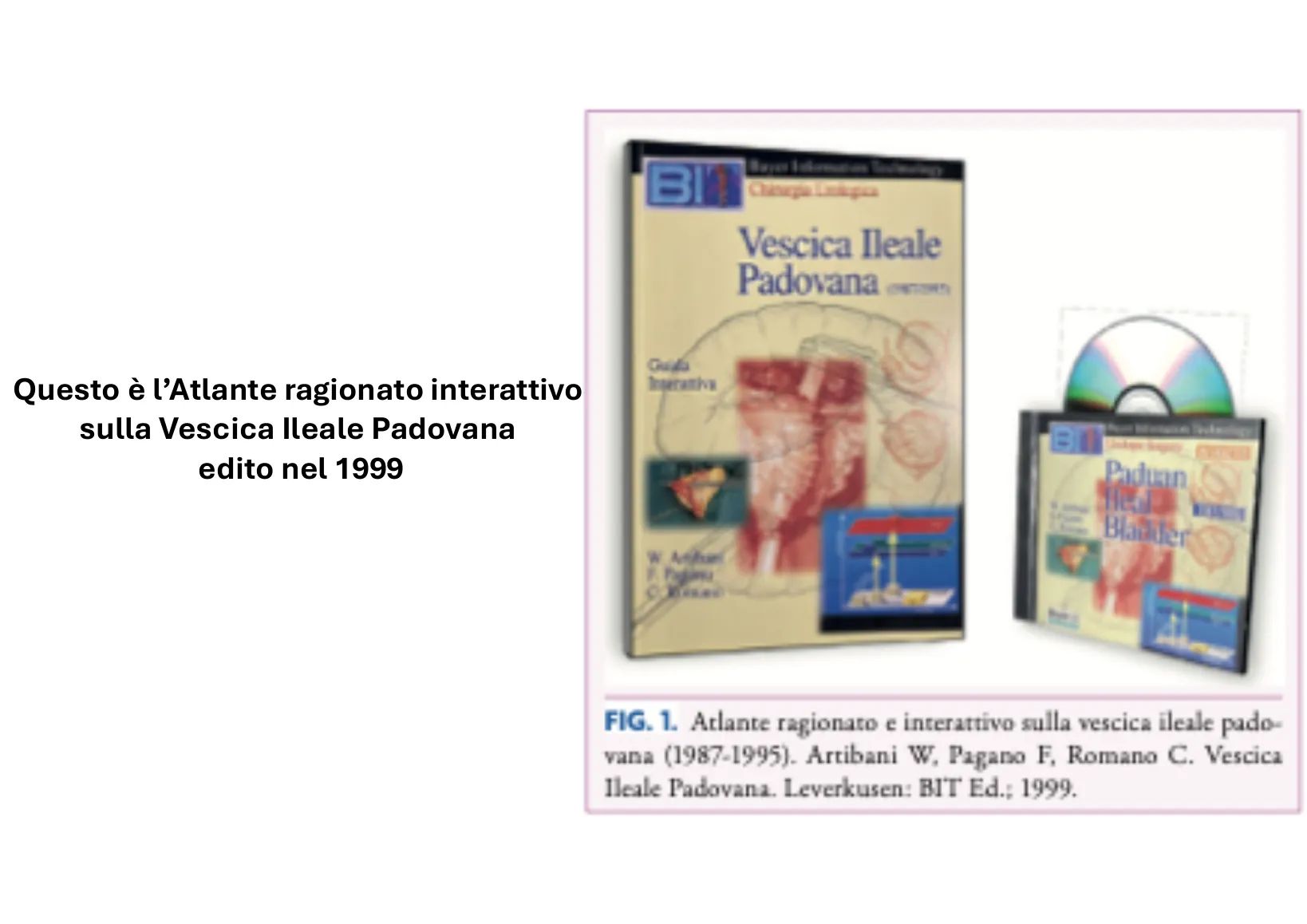
Page 4: The interactive atlas of 1999
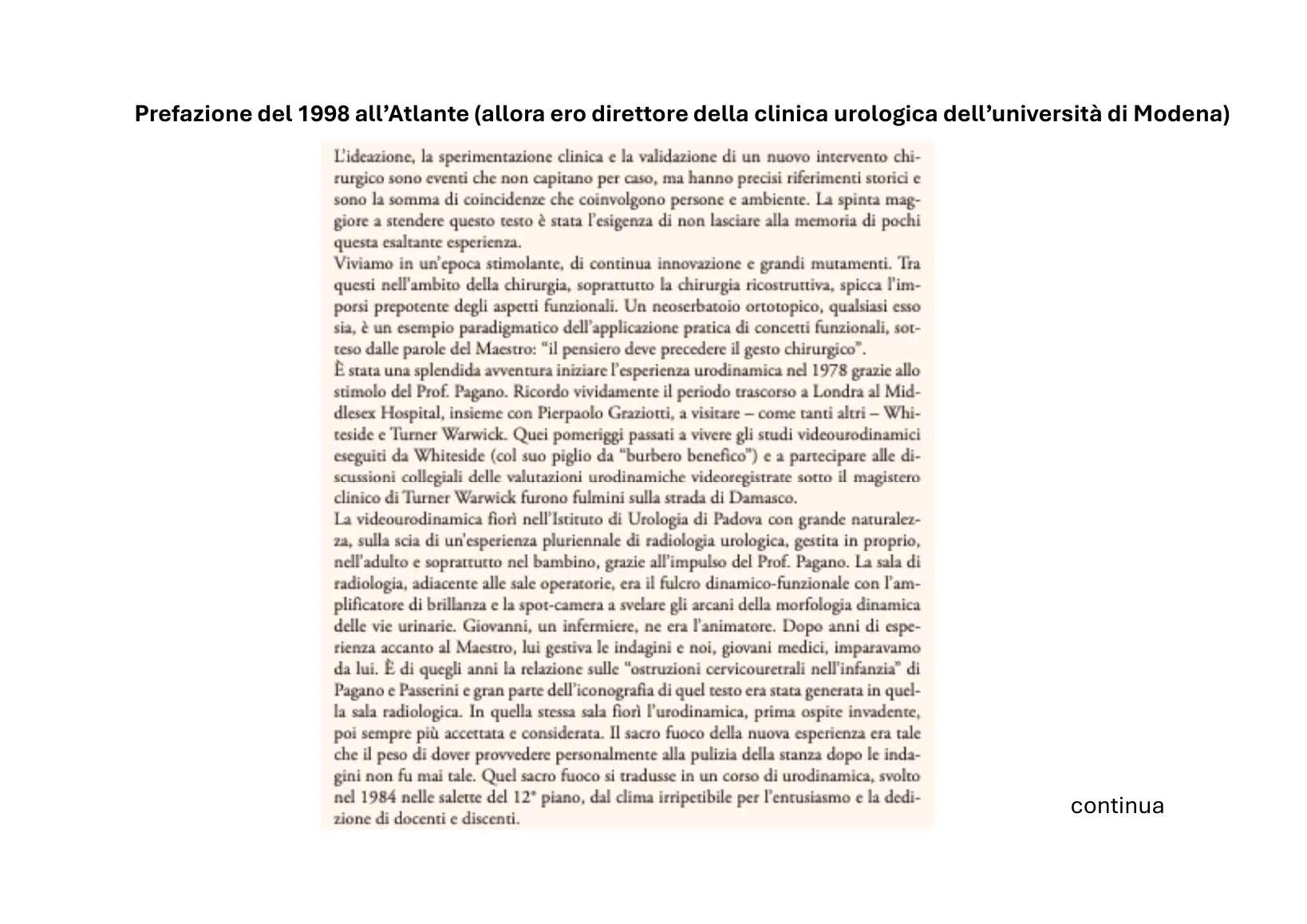
Page 5: The 1998 preface to the atlas
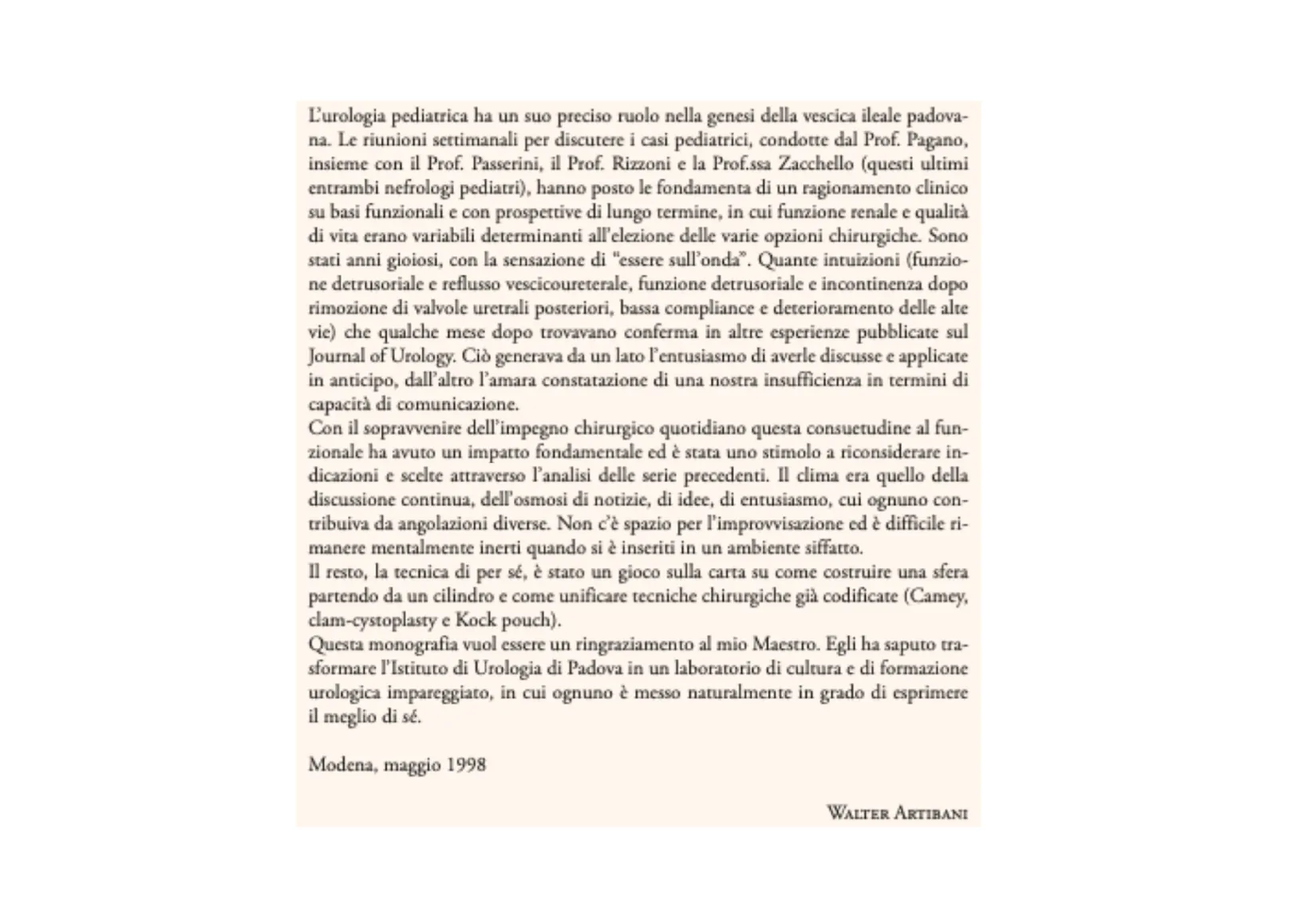
Page 6: The preface to the atlas, continued
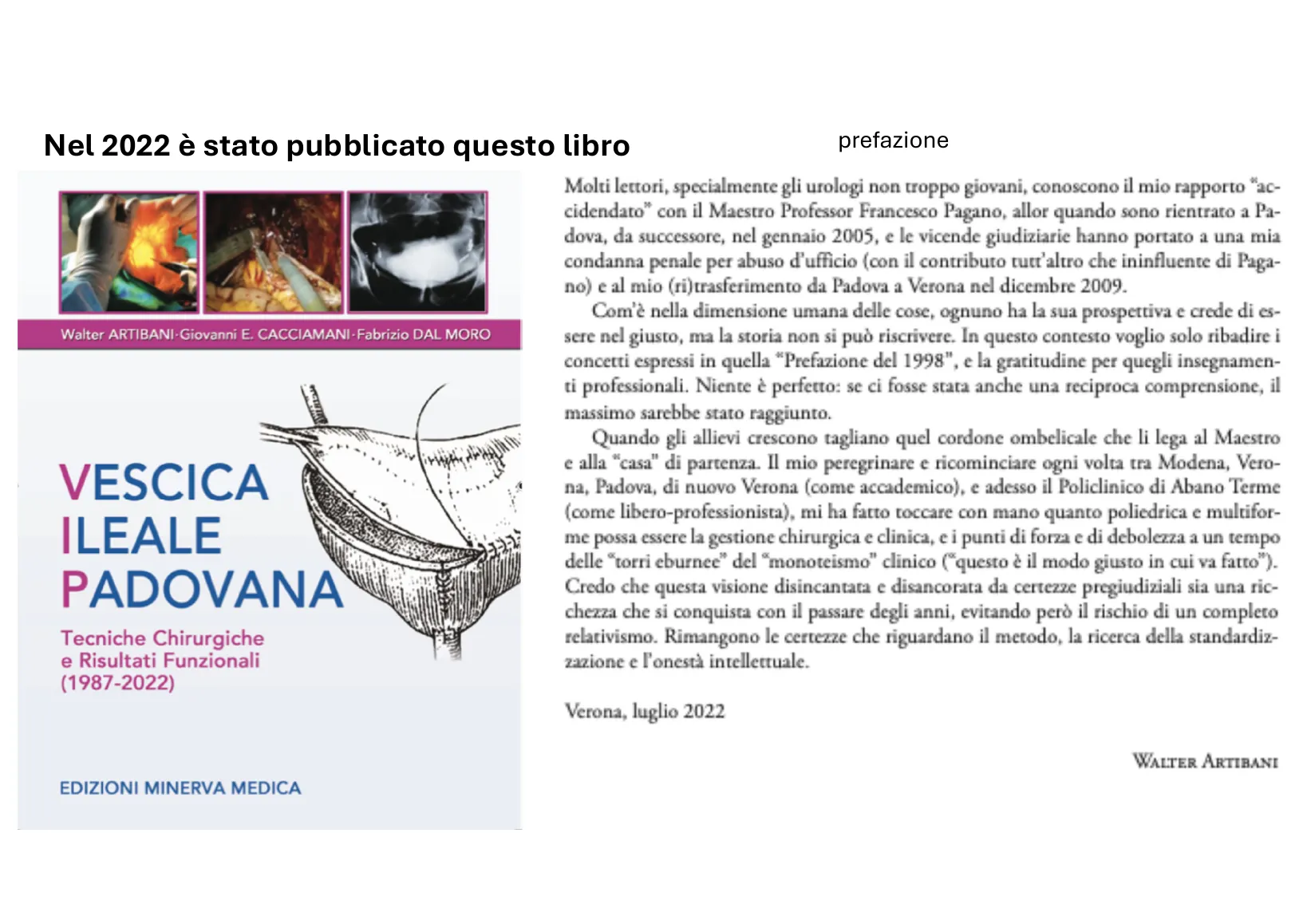
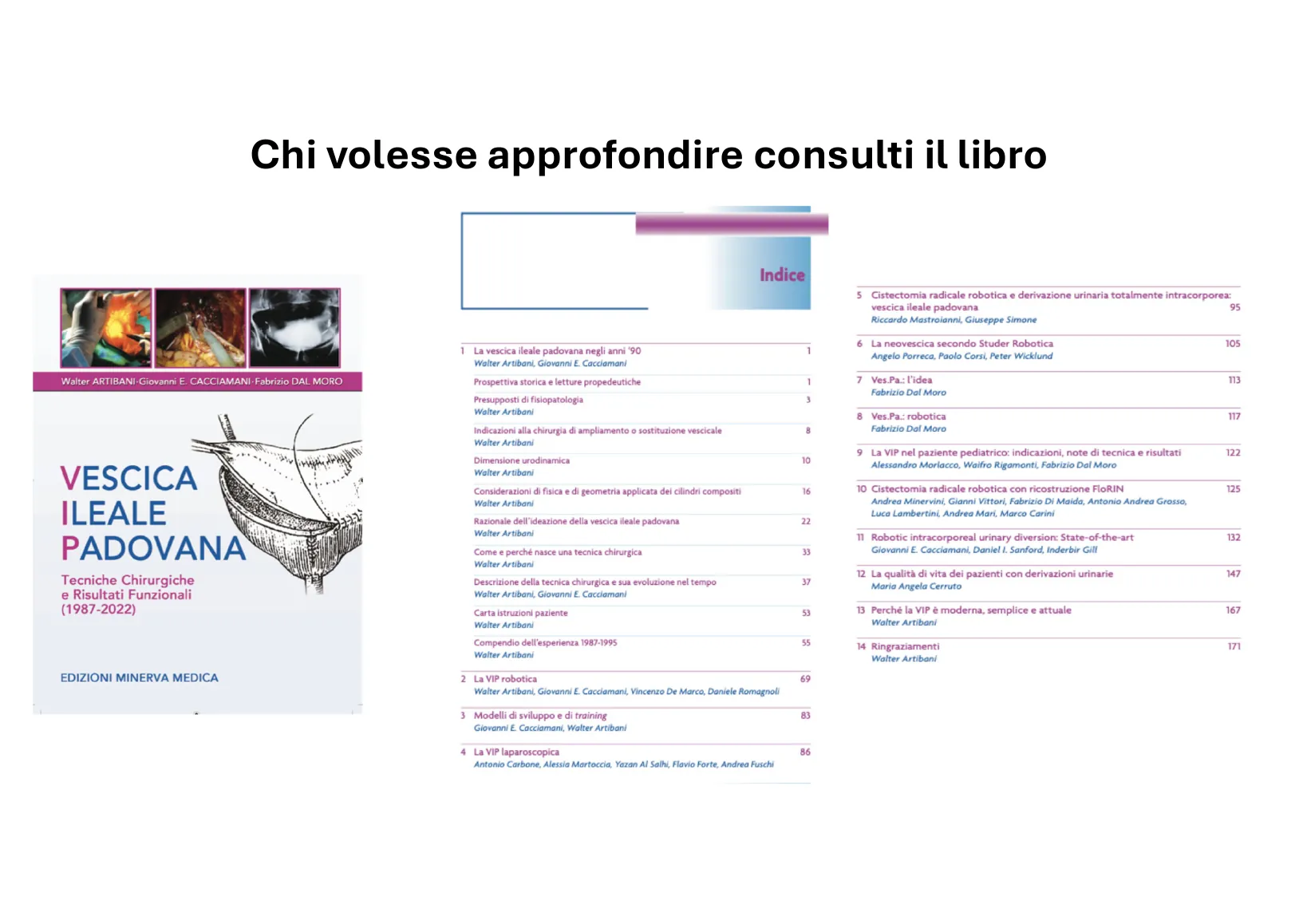
Page 7: The book published in 2022
Page 8: The idea on the flight home from the AUA meeting, 20 May 1987
Page 9: The first sketches of the new ileal reservoir
Page 10: The first operation on 9 September 1987 and Prof. Giacomo Passerini
Page 11: Schematic drawings of the VIP
Page 12: CT urography 15 years later and the sphere made from 40 cm of ileum
Page 13: The post about the VESPA
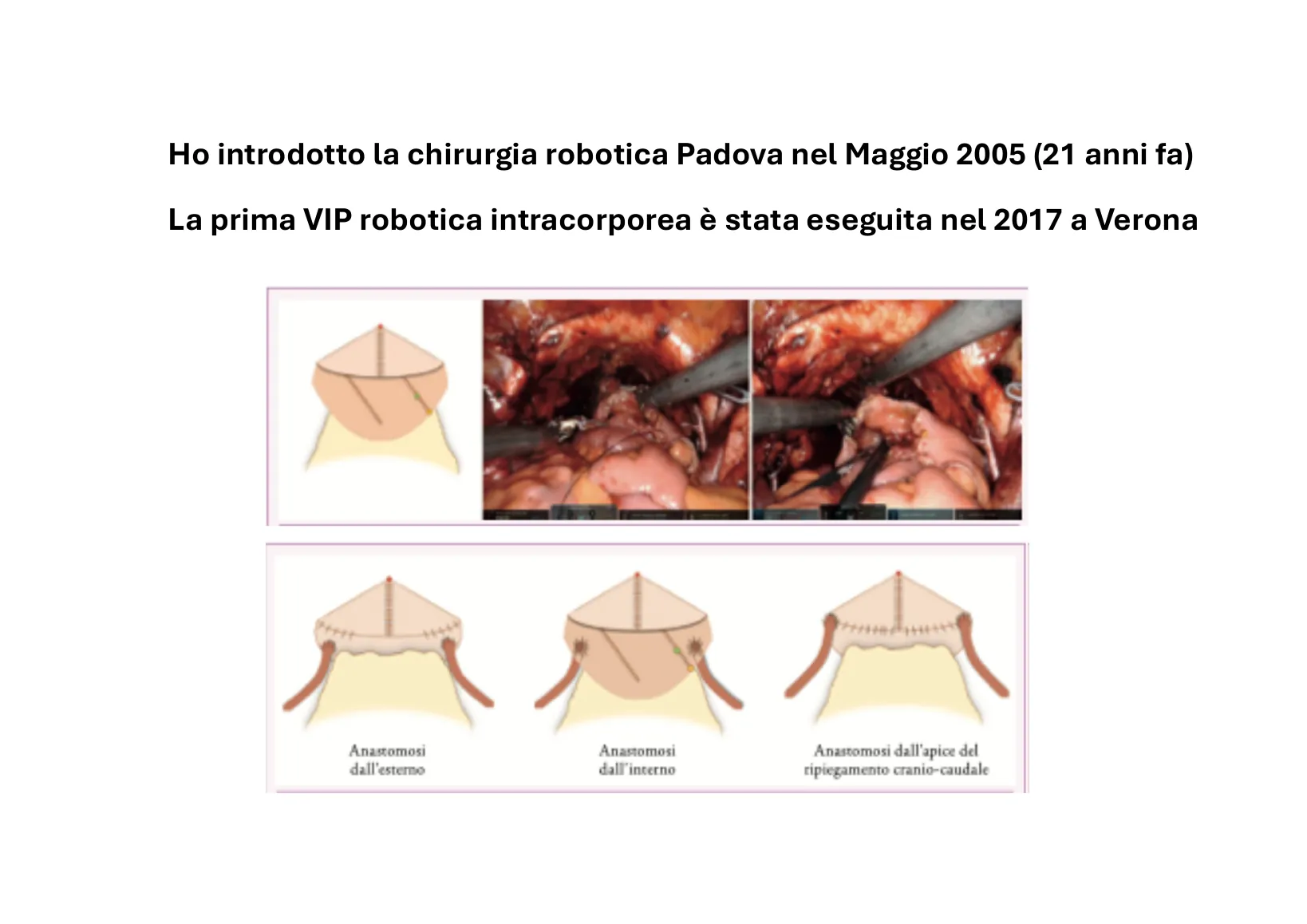
Page 14: Robotic surgery in Padua since 2005 and the first robotic VIP
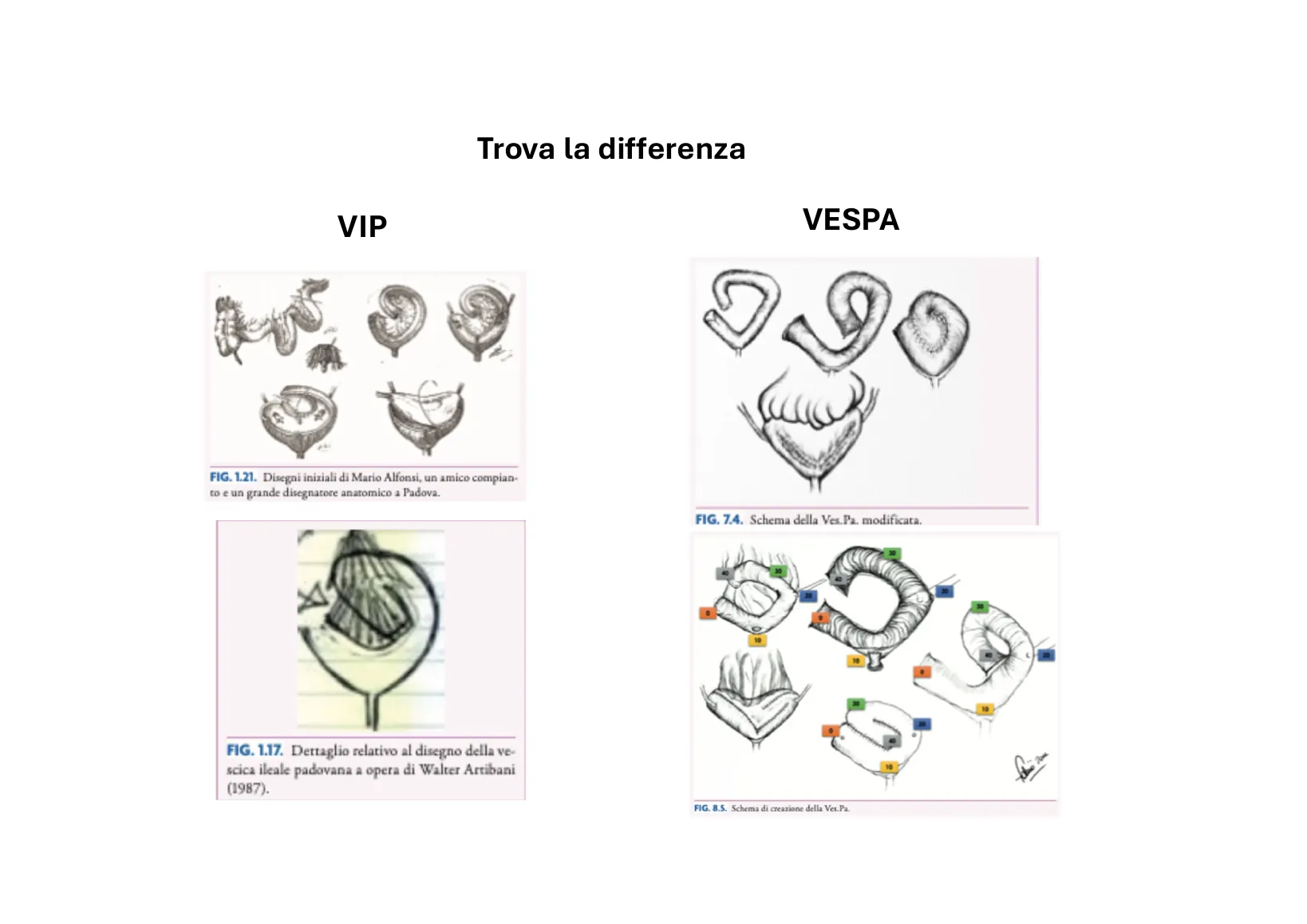
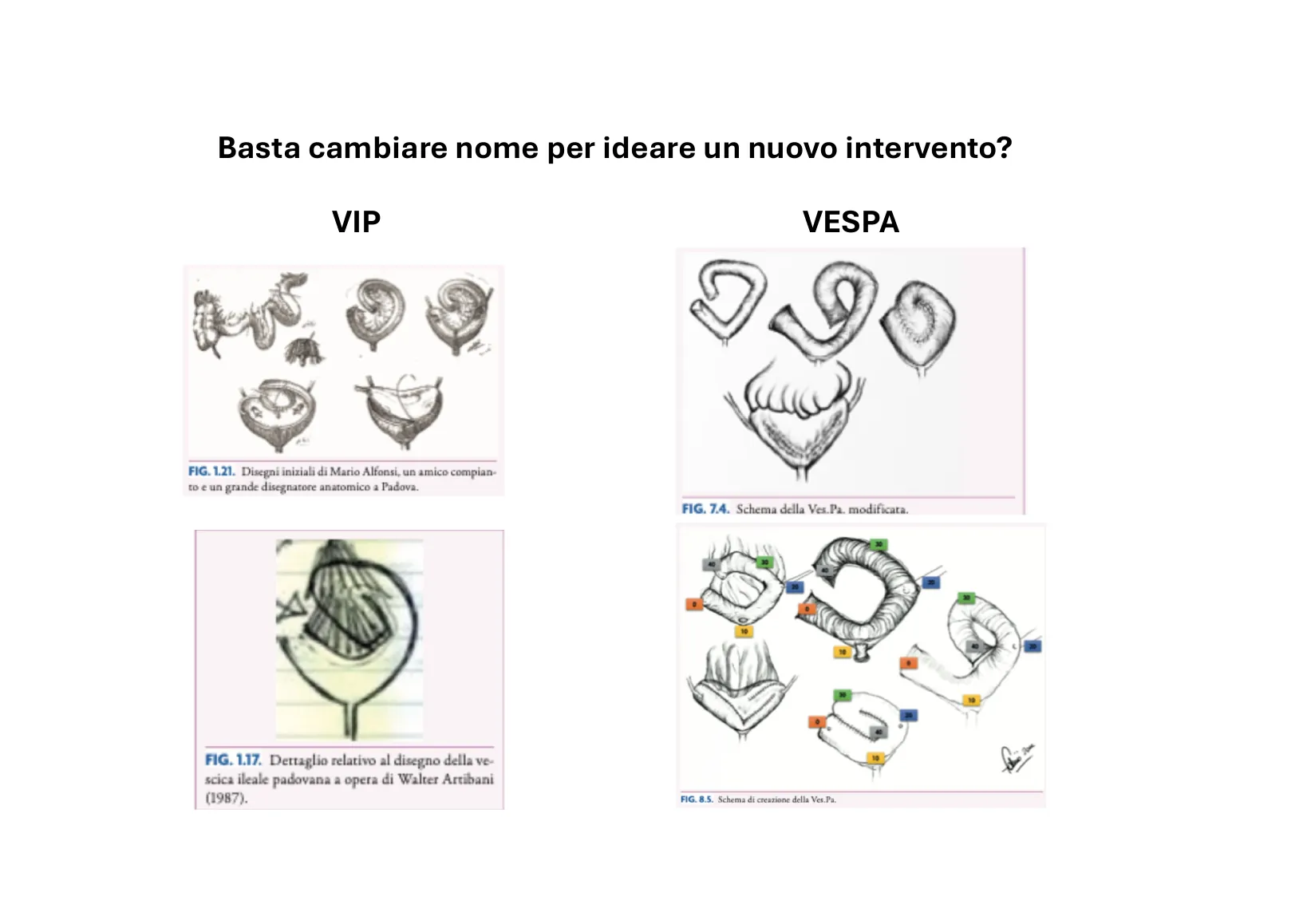
Page 15: Spot the difference: VIP and VESPA
Page 16: Is a new name enough to devise a new operation?
Page 17: The facts: the intracorporeal robotic raVIP, Verona 2017
Page 18: To find out more: the book
Page 19: Torches passed from hand to hand
01 / 19
Cover: the true story of the Padovana Ileal Bladder
Press

European awards

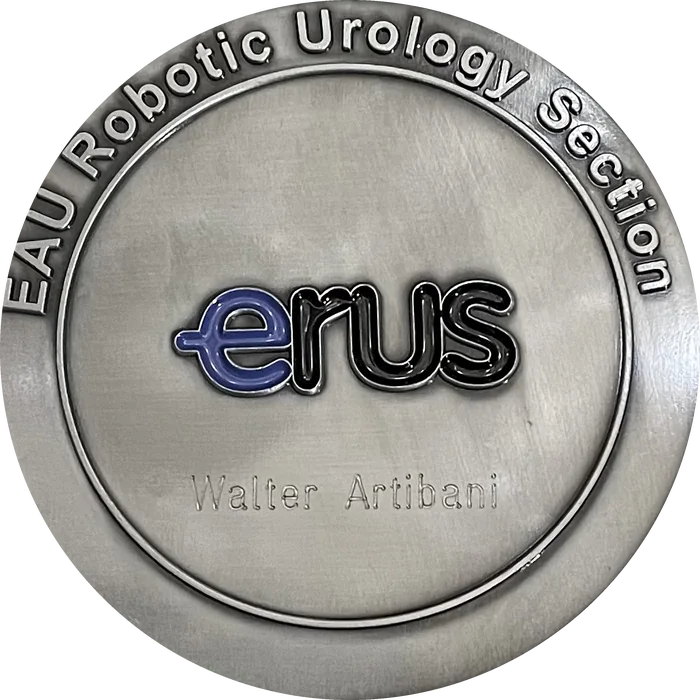
Two of the most prestigious awards in European urology, granted by the EAU and by its robotic urology section.

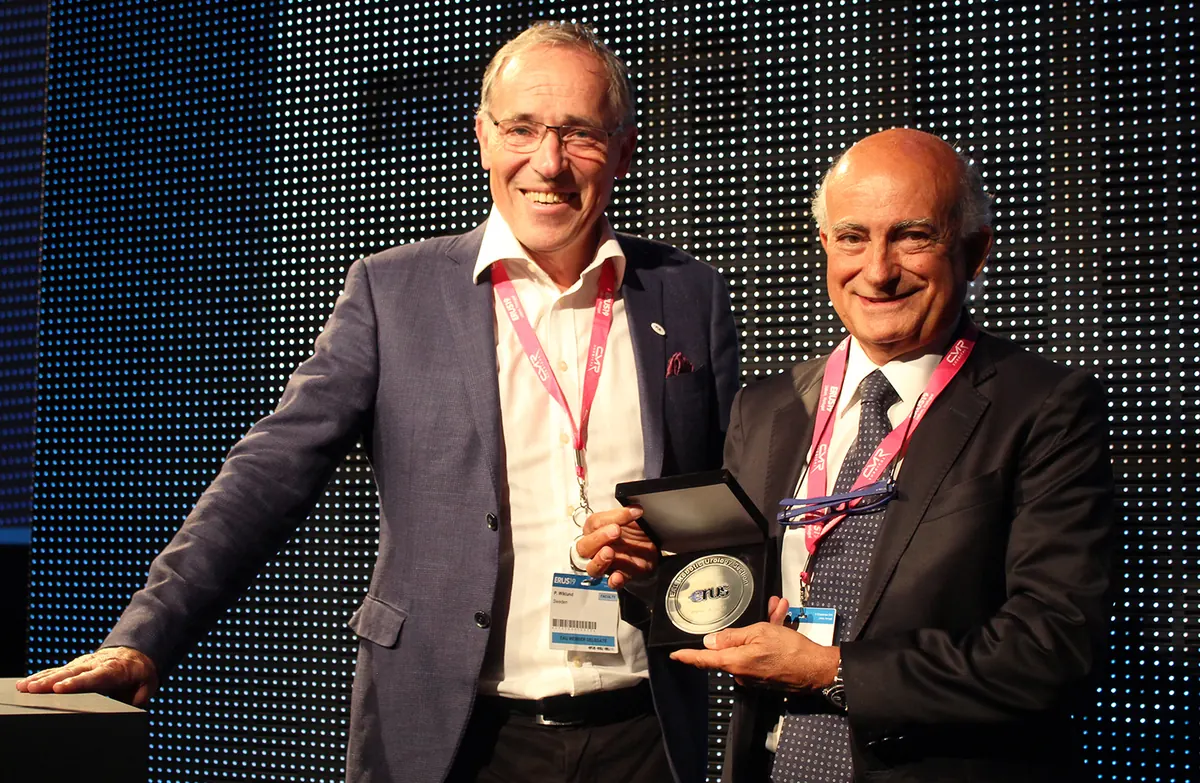
Prof. Wiklund presents the John Wickham medal to Prof. Artibani at ERUS19
2019 · ERUS19 · Lisbon

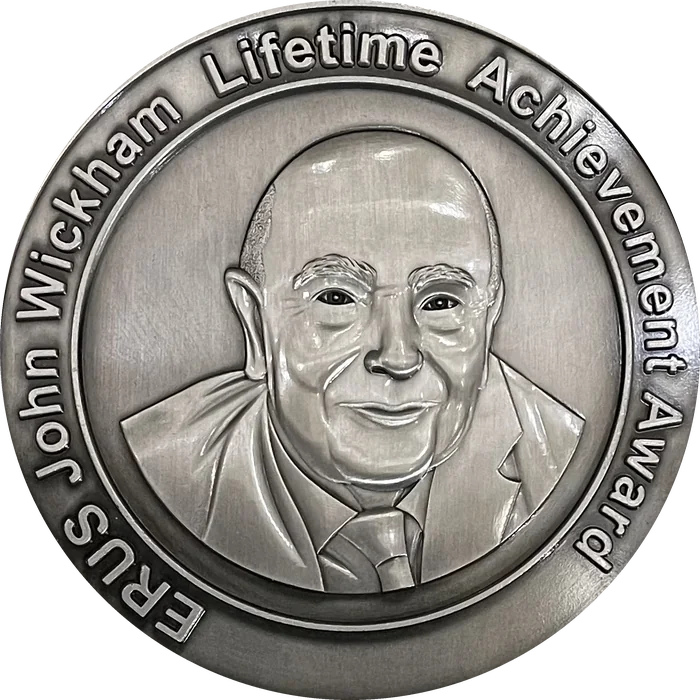
John Wickham Lifetime Achievement Award

Prof. Artibani is the second recipient of the award for contributions to robotic surgery, presented at the 16th annual meeting of the EAU Robotic Urology Section. On behalf of ERUS, Prof. Wiklund commended his role in bringing robotic urology into the mainstream and his work in the Live Surgery Guidelines working group.

The award is named after John Wickham (1927–2017), a pioneer of robotic surgery, who performed the first robotic procedure on the prostate in London in 1991 with the PROBOT.

“We are only at the beginning of robotic urology. It is also an award for my co-workers, fellows and residents.”From his acceptance speech
2016 · European Association of Urology

Willy Gregoir Medal

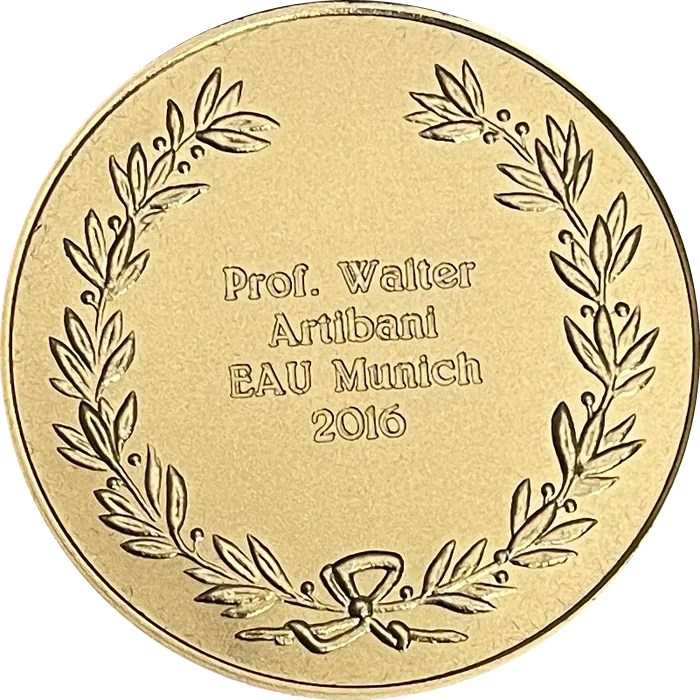
Awarded the Willy Gregoir Medal at the EAU congress in Munich for a significant contribution to the development of urology in Europe. It is the highest honour the EAU grants each year.

The award followed eight years on the EAU Executive Board as Adjunct Secretary General for Science, from 2007 to 2015, and his presidency of the European Board of Urology.

“For a significant contribution to the development of the urological speciality in Europe.”EAU citation
Urology explained

Urology explained in plain words

Clear explanations, in language that non-specialists can follow, about how the male and female urinary tract and the male genital organs work, and what can go wrong.

Topics are covered in short modules, chosen partly in response to your questions.

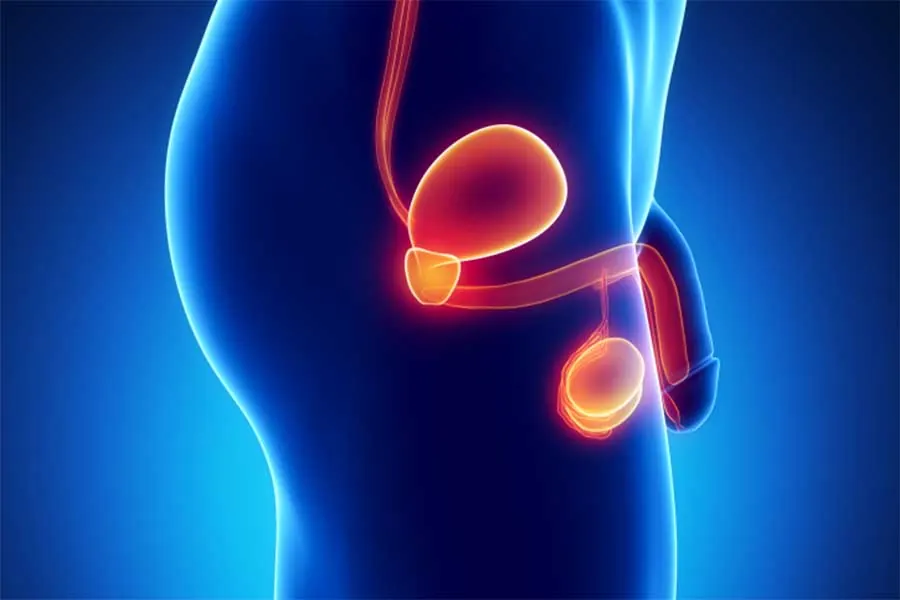
Illustration of the male urinary and genital organs

Urology is a medical and surgical specialty that deals with diseases of the male and female urinary tract (kidneys, ureters, retroperitoneum, bladder, urethra) and of the male genital organs (prostate, seminal vesicles, penis, testicles).

The aim is to provide medical information in simple language, to encourage prevention through knowledge of one's own body and how it works.

The information is deliberately simple, but it is based on current, established and shared scientific knowledge. Being aware of the signs of normal function and recognising warning signs is the basis of good urological and andrological prevention.

What does this add to the many sources online? The information is filtered through the experience of someone who has worked in the field for decades.

Urinary frequency is the number of times you pass urine: during the day while you are awake, and at night while you sleep.

Night-time frequency refers to the period of sleep, usually 6 to 8 hours. There are exceptions, such as people who work at night and sleep during the day.

Normally the night goes by without needing to pass urine: there is a last void before falling asleep and a first one on waking. Asked “how many times do you pass urine at night?”, a healthy person answers “never”.

This assumes continuous sleep: people who wake up for other reasons often pass urine anyway before going back to sleep.

Because a refined mechanism controls urine production at night. Take a person aged 20 to 40 who produces 1400 ml of urine in 24 hours:

The reduction is due to the antidiuretic hormone (ADH, or vasopressin), released by the pituitary gland during sleep, which reduces the amount of urine produced by the kidneys.

Its release is pulsatile: it increases during night-time sleep and decreases while awake. This day-night rhythm allows continuous sleep, undisturbed by the urge of a full bladder.

In a healthy person many factors are involved: the amount of urine produced (fluid intake, sweating, kidney function), bladder capacity, how completely the bladder empties, psychological and emotional state, personal and social habits, and how close a toilet is.

Clinics

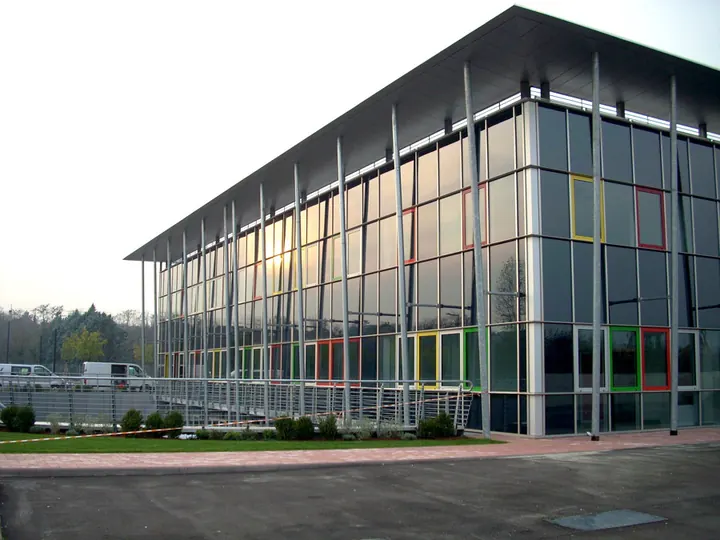
Clinics and hospitals

Outpatient consultations

Poliambulatori Specialistici Medicina Amica
PaduaPD

Poliambulatori Specialistici Medicina Amica

Via Giovanni Boccaccio 104/C, 35128 Padova
Tel. 049 807 2353

Surgery

Contact

Book an appointment

For information and appointments, please call the secretary's office. You can also contact the clinic of your choice directly, as listed under Clinics.

See all clinics →

Secretary
Sig.ra Fiore
349 649 5586
Weekdays, 2 pm to 7 pm (Italian time)
Call
Book