Urology explained in plain words
Clear explanations, in language that non-specialists can follow, about how the male and female urinary tract and the male genital organs work, and what can go wrong.
Topics are covered in short modules, chosen partly in response to your questions.
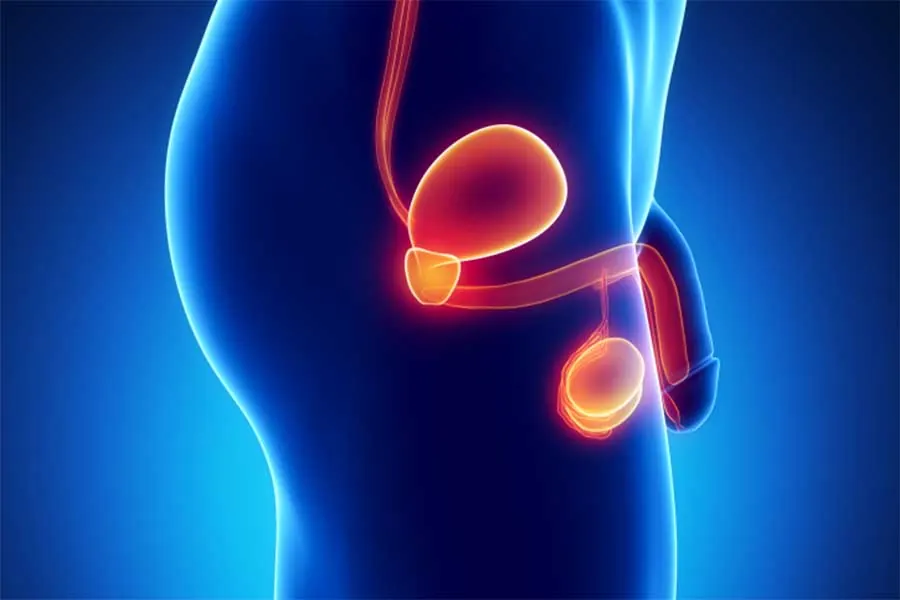
Urology is a medical and surgical specialty that deals with diseases of the male and female urinary tract (kidneys, ureters, retroperitoneum, bladder, urethra) and of the male genital organs (prostate, seminal vesicles, penis, testicles).
The aim is to provide medical information in simple language, to encourage prevention through knowledge of one's own body and how it works.
The information is deliberately simple, but it is based on current, established and shared scientific knowledge. Being aware of the signs of normal function and recognising warning signs is the basis of good urological and andrological prevention.
What does this add to the many sources online? The information is filtered through the experience of someone who has worked in the field for decades.
Urinary frequency is the number of times you pass urine: during the day while you are awake, and at night while you sleep.
Night-time frequency refers to the period of sleep, usually 6 to 8 hours. There are exceptions, such as people who work at night and sleep during the day.
Normally the night goes by without needing to pass urine: there is a last void before falling asleep and a first one on waking. Asked “how many times do you pass urine at night?”, a healthy person answers “never”.
This assumes continuous sleep: people who wake up for other reasons often pass urine anyway before going back to sleep.
Because a refined mechanism controls urine production at night. Take a person aged 20 to 40 who produces 1400 ml of urine in 24 hours:
The reduction is due to the antidiuretic hormone (ADH, or vasopressin), released by the pituitary gland during sleep, which reduces the amount of urine produced by the kidneys.
Its release is pulsatile: it increases during night-time sleep and decreases while awake. This day-night rhythm allows continuous sleep, undisturbed by the urge of a full bladder.
In a healthy person many factors are involved: the amount of urine produced (fluid intake, sweating, kidney function), bladder capacity, how completely the bladder empties, psychological and emotional state, personal and social habits, and how close a toilet is.
Book an appointment
For information and appointments, please call the secretary's office. You can also contact the clinic of your choice directly, as listed under Clinics.